Learning That Changes the World
Teachers Turn the CSL Blueprint into Practice
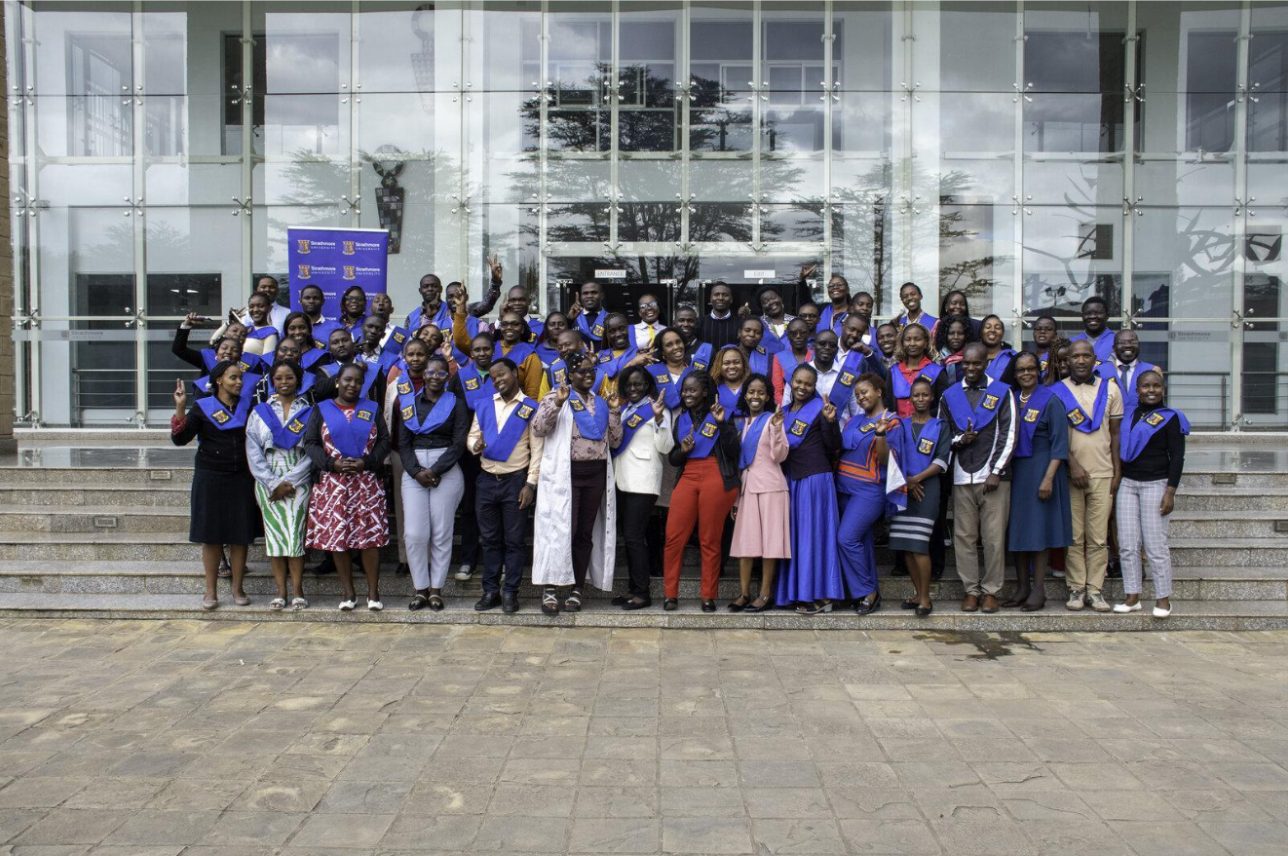
On 24th April 2026, 55 teachers set aside their marking and their lesson plans to do something their own pupils rarely see them do: become learners again. But this was no ordinary refresher course. By the end of the day, each of them had designed and, in many cases, already field-tested a Community Service Learning project ready to bring back to their classrooms.
What unfolded was a quiet act of professional reinvention. These were practicing educators, fluent in their subjects and seasoned in front of a class, learning a pedagogy that would let them do something more ambitious: turn their pupils into problem-solvers, and their communities into classrooms.
The approach at the centre of the day was Community Service Learning (CSL), an educational model that fuses classroom instruction with meaningful community action. And the teachers weren’t just studying it in the abstract. They had lived it.
The most striking thing about the day was that the case studies weren’t hypothetical. They were the teachers’ own work.
One group had spent eight weeks tackling a waste crisis in an urban Nairobi neighbourhood. They surveyed residents to map waste hotspots, ran workshops on disposal and recycling, designed awareness posters, and mobilised more than 200 residents for a community clean-up. The tally of 500 kilograms of waste collected was real. So was the harder-won result: a neighbourhood that started to see itself as capable of change.
Another group ran a youth health awareness drive, recognising what they already knew as educators: that medical facts delivered as a lecture rarely land. So they translated them. Health messages became drama skits, social media content, and peer-to-peer conversations across four media channels. Over 12 workshops, they reached more than 500 young people, tackling hygiene, mental health, and drug awareness not as rules to be obeyed but as dialogues to be had.
Having done the work themselves, these teachers now carry something no manual can give them: the credibility of having walked the path before asking their pupils to walk it.
CSL is built around competencies, not merely knowledge, but the blend of skills, attitudes, and values that turns learning into action. It’s a framework these teachers already teach. The training simply gave them a way to make it visible and applicable.
The logic is elegant: Knowledge (what you know) becomes Skills (what you can do), fused with Attitudes (how you behave) and Values (what you believe in). Applied to a genuine community need, that fusion becomes formidable.
A teacher with ICT fluency models poster design. A teacher strong in communication demonstrates health education. A teacher who thinks critically shows how a local problem gets broken down and solved. And every competency they demonstrated is one they can now cultivate deliberately in their pupils, because they’ve seen, first-hand, what it looks like in the field.
That is the shift the day was designed to produce: teachers who don’t just cover a syllabus, but who can hand their students a real problem and the tools to address it.
Every project the teachers designed connected to the UN’s Sustainable Development Goals — a reminder that a classroom in Nairobi is a node in a global network of change.
The waste initiative mapped to SDG 11 (Sustainable Cities) and SDG 13 (Climate Action). The health drive anchored to SDG 3 (Good Health & Well-being). Others in the room had built projects around poverty, clean water, quality education, and gender equality. Each looked local. Each was a brushstroke in the 2030 Agenda’s larger canvas.
For these teachers, the SDGs stopped being a poster on a staffroom wall and became a planning tool — a way to help pupils see that the problems on their own streets are the same ones the world is trying to solve.
No one pretended it was frictionless. Limited resources. Timetables that clash with community rhythms. The slow work of earning community trust. Keeping momentum alive over weeks.
But because these were experienced practitioners, their solutions carried the weight of judgement:
- Partner with local NGOs to borrow networks, expertise, and trust already in place
- Start small and focused, letting quick wins build momentum
- Bring community leaders in from day one; listen first, act second
- Frame CSL as skill-building, so pupils see how it sharpens the abilities they’ll carry into work and life
Each barrier became a lesson these teachers can now anticipate on their pupils’ behalf — the kind of foresight that only comes from having navigated it yourself.
The real promise of the day lies in what happens next. Each of these 55 teachers stands in front of dozens of pupils. A single CSL project, multiplied across their classrooms, becomes hundreds of young people learning to identify a problem, link it to a global goal, apply their skills, and reflect on the change they’ve made.
The clean-up didn’t end at week eight; residents began organising their own. The health drive didn’t dissolve after the last workshop; young people kept the conversation going. That is the multiplier these teachers now know how to trigger, on purpose, again and again.
The Takeaway
On April 24th, 55 teachers didn’t sit through a course. They demonstrated a pedagogy by living it, then engineered a way to pass it on. They proved that competence isn’t a line on a certificate; it’s the capacity to take a real problem, design a workable response, mobilise others, act with integrity, and reflect honestly on the result.
They learned. They served. And now they are equipped to teach their pupils to do the same.
That’s the CSL blueprint in practice, carried not by students who will one day enter the profession, but by professionals ready to reshape how their classrooms meet the world.
In Nairobi on April 24th, 2026, a room full of teachers made that idea their own and gave it to the pupils waiting back in their classrooms.
By John Gacheru